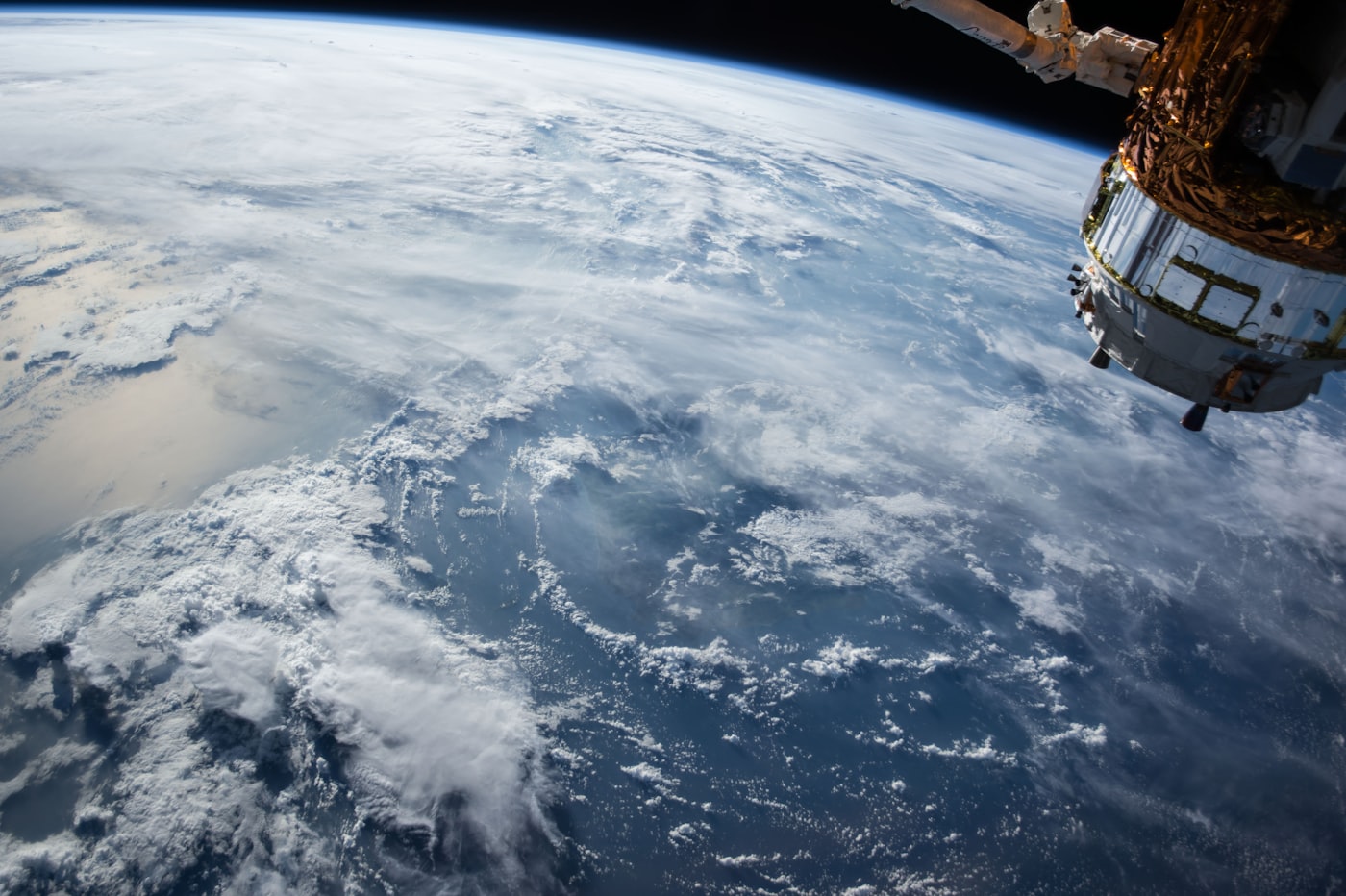
“Whoever controls the lunar south pole controls the gateway to the Solar System.”
-
01
Billions of Tonnes of Water Ice
Permanently shadowed craters at the south pole trap water ice deposited by comets and asteroids over billions of years. NASA’s LCROSS and Chandrayaan missions confirmed significant concentrations. This ice is the single most transformative resource on the Moon — drinkable, breathable (split into oxygen), and burnable as rocket fuel.
Permanently shadowed craters at the south pole may hold billions of tonnes of water ice. (Illustrative — Unsplash)
-
02
The “Peaks of Eternal Light”
Certain ridge-tops near the south pole receive near-continuous sunlight throughout the lunar year — sometimes more than 80–90% of the time. These “peaks of eternal light” are perfect sites for solar power stations, eliminating the brutal 14-day lunar nights that would otherwise cripple any base.
-
03
In-Situ Resource Utilisation (ISRU)
Shipping one kilogram of anything to the Moon costs tens of thousands of dollars. Water ice at the south pole means future missions can manufacture propellant, life-support oxygen, and drinking water on-site. ISRU turns the Moon from a destination into a self-sustaining base — and dramatically reduces mission cost.
-
04
Launchpad to the Deeper Solar System
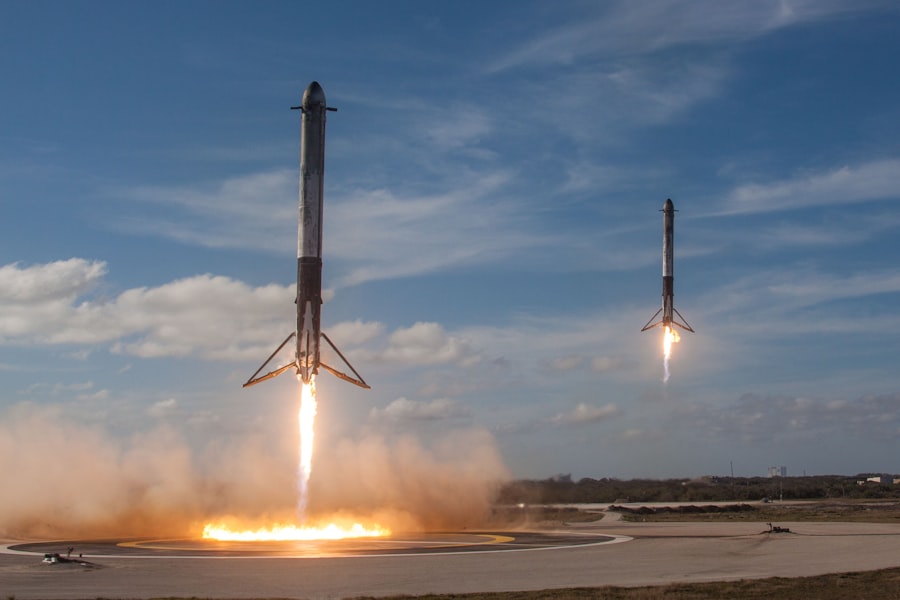
Because the Moon’s gravity is only one-sixth of Earth’s, launching from a lunar fuel depot requires far less energy. Spacecraft bound for Mars, the asteroid belt, or beyond could refuel at a south-pole base, slashing the fuel they need to carry from Earth. The pole is literally the best highway on-ramp in the inner Solar System.
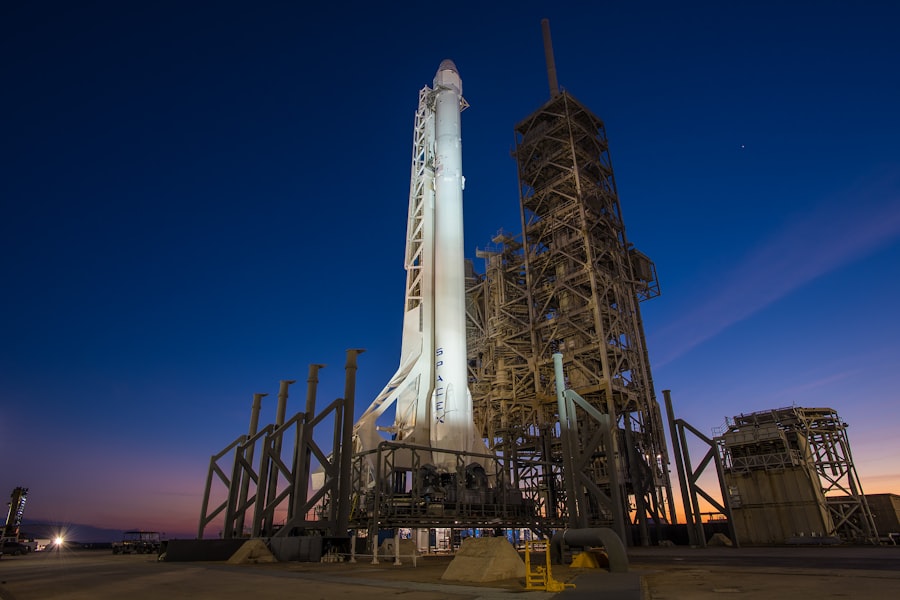
The Moon as a refuelling depot could revolutionise deep-space exploration. (Unsplash)
-
05
Geopolitical & Military High Ground
Control of the south pole means controlling access to water ice and energy — the two essentials of any permanent lunar presence. Nations that establish a base first can effectively define the rules, restrict landing zones, and shape the governance of the Moon for decades. This is why China’s CNSA, NASA’s Artemis programme, and India’s ISRO are all explicitly targeting this region.
-
06
Rare Scientific Record in Ice Cores
The ice in these shadowed craters is billions of years old and may contain trapped gases, organic molecules, and solar wind particles that record the early Solar System. Drilling ice cores at the south pole could answer fundamental questions about Earth’s water origin, the late heavy bombardment, and even the chemistry that preceded life.
-
07
Helium-3 and Rare Minerals
The Moon’s surface is rich in Helium-3, a rare isotope that could theoretically fuel fusion reactors on Earth. The south pole’s unique geology also concentrates certain minerals. While commercial extraction is still far-future, nations are already positioning to claim these reserves under international law — or before international law catches up.
The lunar regolith harbours Helium-3 and rare minerals of enormous potential value. (Unsplash)
-
08
Radio-Quiet Observatory Sites
The south polar craters sit on the Moon’s near side yet are deep enough to shield sensitive instruments from Earth’s radio noise. Scientists could deploy radio telescopes here to study the cosmic dark ages — a period in the Universe’s history currently unreachable by any Earth-based instrument. It is potentially the finest observatory site ever available to humanity.
-
09
The Legal Vacuum — “First Come, First Served”
The 1967 Outer Space Treaty prohibits national sovereignty over the Moon but says nothing about resource extraction or base construction. The U.S. Artemis Accords (now signed by over 30 nations) promote “safety zones” around operations — which critics see as de facto territorial claims. China and Russia have not signed the Accords and are building a competing framework. The south pole is where that legal battle will be fought in practice.
-
10
Prestige, Technology, and National Identity
Landing at the south pole is technically far harder than the Apollo equatorial landings — the terrain is brutal, communications are complex, and the lighting is extreme. India’s Chandrayaan-3 became the first to land there in 2023, instantly catapulting ISRO to global prominence. Every nation that follows joins an elite club. The race is as much about demonstrating technological prowess and national ambition as it is about any single resource.
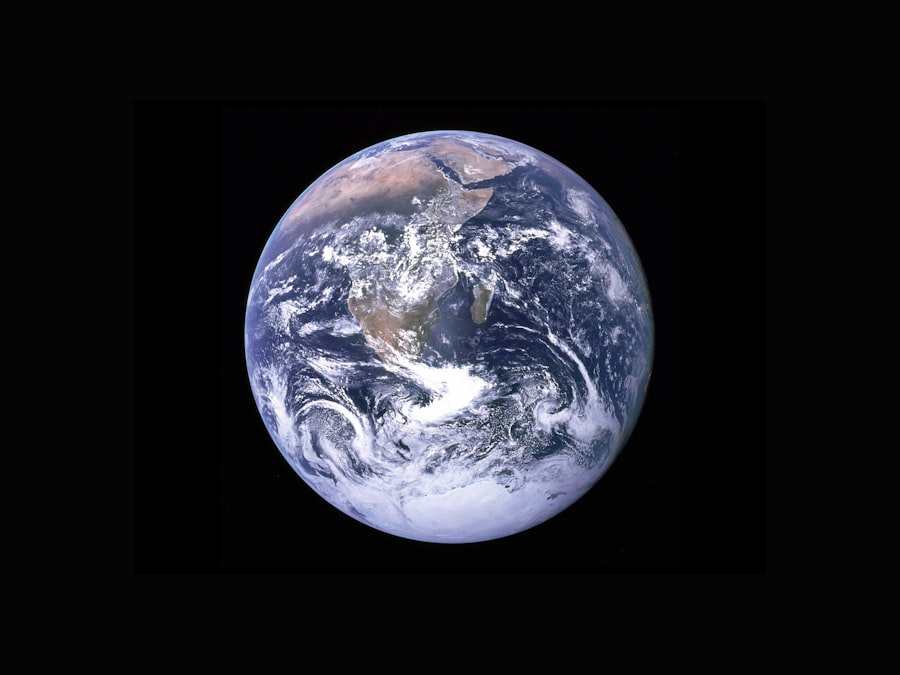
Mission control rooms worldwide are plotting routes to the same destination. (Unsplash)
“The south pole is not merely a scientific curiosity — it is the Moon’s most valuable address, and humanity is only beginning to understand what it means to own it.”
Read Our Latest Post
- The Science of Antifreeze Proteins: How Polar Fish And Insects Beat The Absolute Cold

- Magnetoreception: The Hidden Sense That Reads the Planet
- IIT Madras And IISc Bangalore Synthesize First Truly Carbon-Free ‘Sandwich’ Molecule
- Dark Matter And Dark Energy:The Universe’s Biggest Unsolved Mystery

- The Fermi Paradox: Where Is Everybody?

Leave a Reply