The Celestial Chokepoint
Cislunar Space — Humanity’s Next Frontier
and Its Looming Strategic Crisis
What Is Cislunar Space?
The word cislunar is derived from the Latin cis, meaning “on this side of.” Cislunar space, therefore, is the vast three-dimensional volume that lies between Earth’s gravitational sphere of influence — roughly the altitude of geosynchronous orbit at ~36,000 kilometres — and the orbit of the Moon, some 384,400 kilometres away at its average distance.
More broadly, scientists and military planners use the term to encompass the entire Earth-Moon system, including the lunar surface, the five gravitationally stable Lagrange Points (L1 through L5), and the halo orbits that loop around them. These Lagrange Points are particularly significant: they are locations where the gravitational pull of the Earth and Moon precisely balance the centrifugal force felt by a spacecraft, allowing objects to park there with minimal fuel expenditure.
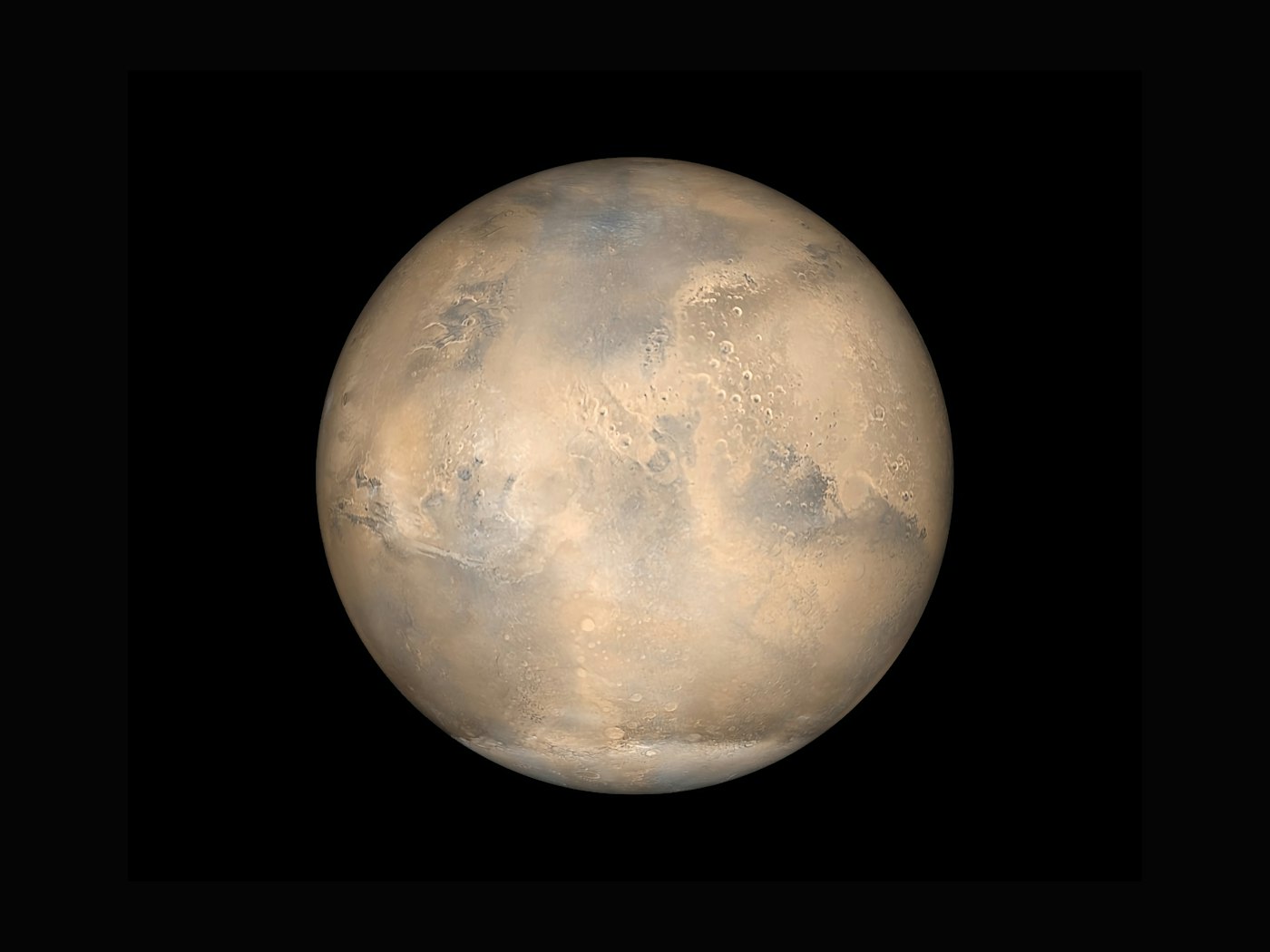
The Moon — anchor of the cislunar domain / Unsplash
A Void No Longer Empty
For decades after the Apollo era, cislunar space received little attention. Satellites clustered in low Earth orbit (LEO) or geosynchronous orbit (GEO); anything beyond was unexplored operationally. But the 21st century has radically altered the calculus. NASA’s Artemis programme seeks to return humans to the lunar surface and establish a permanent presence via the Lunar Gateway — a planned space station in a near-rectilinear halo orbit (NRHO) around the Moon. China’s ambitious Chang’e programme has already landed on the lunar far side. Private companies from SpaceX to Astrobotic are drawing up business plans premised on lunar access.
The result is that cislunar space has gone from being a romantic void to an active, commercially significant, and militarily contested corridor — and the pace of change is accelerating faster than governance structures can keep up.
Why Cislunar Space Is Critically Important
To understand why this remote expanse matters so acutely, consider what it contains and what it connects. Cislunar space is not merely a transit corridor — it is a resource zone, a vantage point, and a gravitational crossroads that will determine who leads the next century of human civilisation.
The average Earth-Moon distance — the span of the cislunar domain. It contains more volume than all territory previously considered “space.”
Lunar helium-3 fusion fuel, rare-earth metals, and water ice represent a resource base that could dwarf Earth’s current GDP.
Gravitational “parking spots” where minimal fuel is needed to hold position — invaluable for military surveillance and commercial depots alike.
The Trump administration’s December 2025 executive order mandated initial elements of a permanent lunar outpost by this date.
Water Ice: The Oil of Space
Perhaps the most consequential resource locked in the cislunar system is water — specifically, the billions of tonnes of water ice confirmed in permanently shadowed craters near the lunar south pole. Water can be electrolysed into hydrogen and oxygen: the components of rocket propellant. A nation or company that controls lunar water controls the fuel supply for the entire inner solar system. Every mission to Mars, every asteroid mining venture, every deep-space expedition will depend on propellant that could be manufactured on the Moon far more cheaply than lifting it from Earth’s deep gravity well.
The Strategic High Ground
Military strategists have long known that high ground confers advantage. In the cislunar domain, that advantage is gravitational. Lagrange points like Earth-Moon L1 — located roughly 326,000 km from Earth, directly between the two bodies — offer unobstructed views of both the Earth and the Moon simultaneously. A surveillance platform stationed there could monitor virtually all human activity in the cislunar domain. L4 and L5, the stable points trailing and leading the Moon in its orbit, could host enormous structures maintained indefinitely with minimal station-keeping fuel.
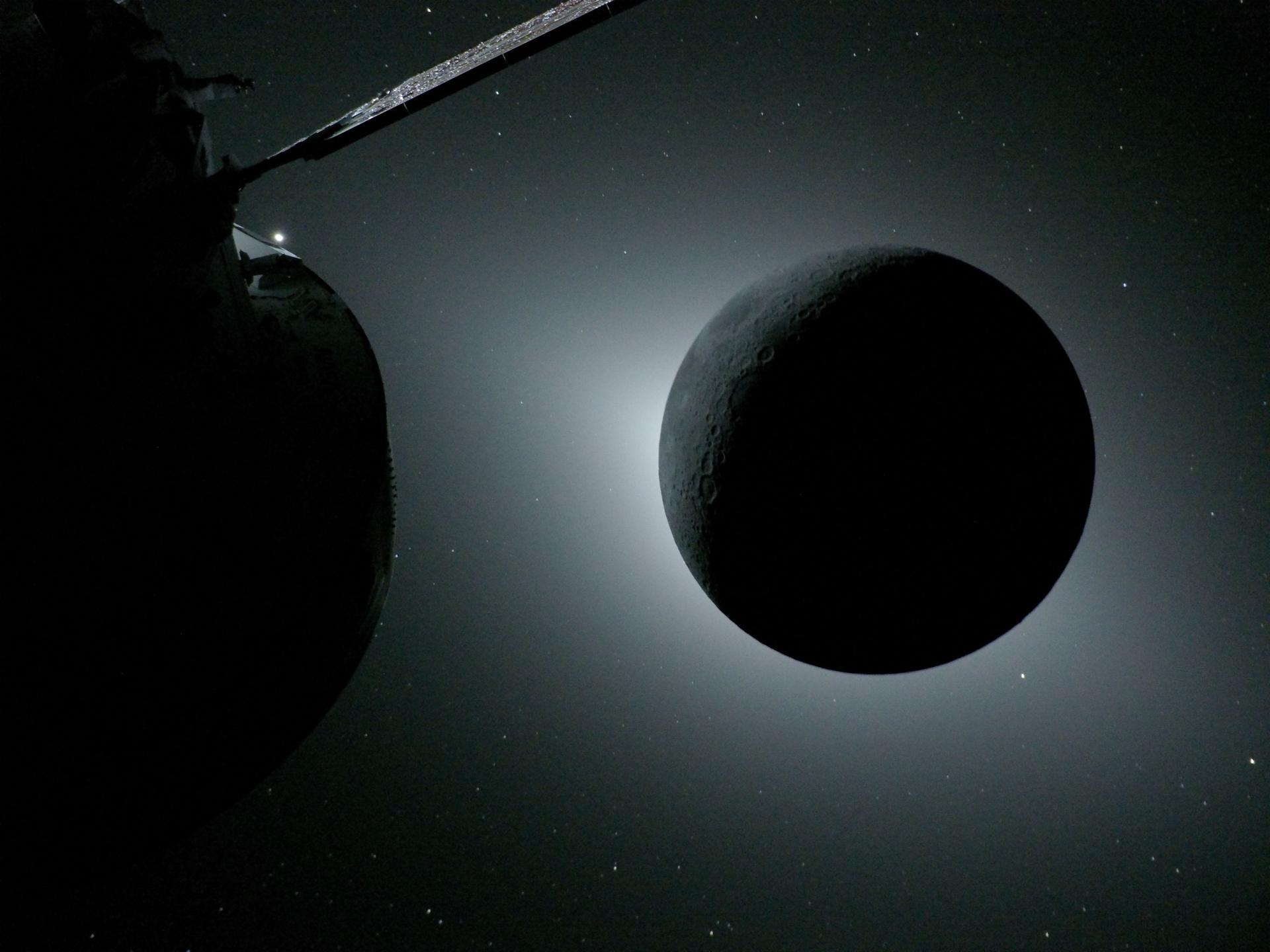
Earthset captured during NASA’s Artemis II mission, April 2026 / NASA
The Strait of Hormuz in the Sky
In April 2026, as geopolitical tensions around the Strait of Hormuz sent energy markets into turmoil, a pair of analysts published a striking observation that cut through the usual space-policy rhetoric. The juxtaposition was impossible to ignore.
“Sometimes, a pair of events contains a warning, if you are able to see it.”
— Marc Feldman, Center for the Study of the Presidency and Congress
The Strait of Hormuz — a narrow neck of water between Iran and Oman — carries roughly 20% of the world’s traded oil. Its closure would cause immediate, catastrophic economic damage. Fleets of warships patrol it; nations have gone to extraordinary lengths to ensure its freedom of navigation. Now experts are drawing a direct parallel to cislunar space.
Space strategy analyst Marc Feldman and his collaborators argue that the transit corridors from Earth to the Moon, and through the Lagrange points, represent chokepoints of similar strategic density. They are not physically narrow in the way the Hormuz is — space is vast — but gravitationally and operationally, there are only a limited number of efficient trajectories. Whoever can monitor, threaten, or deny those trajectories holds leverage over everyone else.
According to Peter Garretson, Senior Fellow in Defense Studies at the American Foreign Policy Council and co-author of Scramble for the Skies, the analogy’s strength depends on how quickly the lunar economy matures. If the multi-trillion dollar space economy materialises as projected, the cislunar corridor becomes as economically critical as any maritime chokepoint in history — perhaps more so, because there is no alternative route.
The Blind Spot Problem
A particularly alarming gap exists in humanity’s current awareness of the cislunar domain. Existing military tracking networks are largely confined to LEO and GEO, leaving vast blind spots in the space between. As analysts at the Pentagon have repeatedly flagged: objects approaching from cislunar space could arrive on trajectories that current sensors simply cannot detect in time.
This is not hypothetical. The U.S. Air Force Research Laboratory (AFRL) has been developing the Cislunar Highway Patrol System (CHPS) — an experimental spaceflight programme designed specifically to monitor objects entering, operating in, or leaving cislunar space. Its very existence is an admission that the domain is currently unwatched.

Surveillance satellites will be essential for cislunar domain awareness / Unsplash
The Great Scramble Begins
The analogies to the Strait of Hormuz are not merely academic. Real institutional machinery is now being erected around cislunar competition, and the pace is intensifying.
The Space Force Moves In
On April 16, 2026, the U.S. Space Force announced the establishment of a Cislunar Coordination Office — a dedicated acquisition body tasked with building roadmaps for cislunar capabilities, coordinating efforts across DARPA, the Air Force Research Laboratory, and the intelligence community. The office is a direct outgrowth of former President Trump’s December 2025 executive order on space superiority, which explicitly extended U.S. military responsibilities from very low Earth orbit all the way through cislunar space.
General Chance Saltzman, Chief of Space Operations, left no ambiguity about the stakes: “As U.S. interests go further and further into space, there’s going to be a need to protect and defend those interests.”
China’s Long Game
China’s lunar ambitions are not merely scientific. The China National Space Administration (CNSA) has outlined plans for a permanent International Lunar Research Station by 2035, to be built in partnership with Russia and other nations. Chinese strategists have written openly about the importance of lunar resources and orbital positioning for long-term national power. Analysts in Washington have taken note of a pattern: China’s space programme consistently targets locations — the lunar south pole, specific orbital regimes — that also happen to be of maximum strategic value.
A Dissenting View
Not every analyst accepts the Hormuz analogy without reservation. A 2024 study from the Center for Strategic and International Studies (CSIS), titled Salmon Swimming Upstream, found no compelling near-term strategic military value to cislunar operations and warned about hype surrounding both technological readiness and commercial demand. The CSIS authors conceded that space situational awareness was the one area where investment clearly made sense — but cautioned against building grand strategic narratives on projections decades from maturity.
This scepticism is healthy. The Strait of Hormuz comparison is powerful precisely because it is conditional: it depends on the cislunar economy actually materialising at the scale currently projected. If lunar resource extraction stalls, the strategic mathematics change. But if it does not stall — if water ice is mined, if propellant depots are established, if the Moon becomes a waystation for deeper space — then the window to establish governance frameworks will have closed before it was ever truly opened.
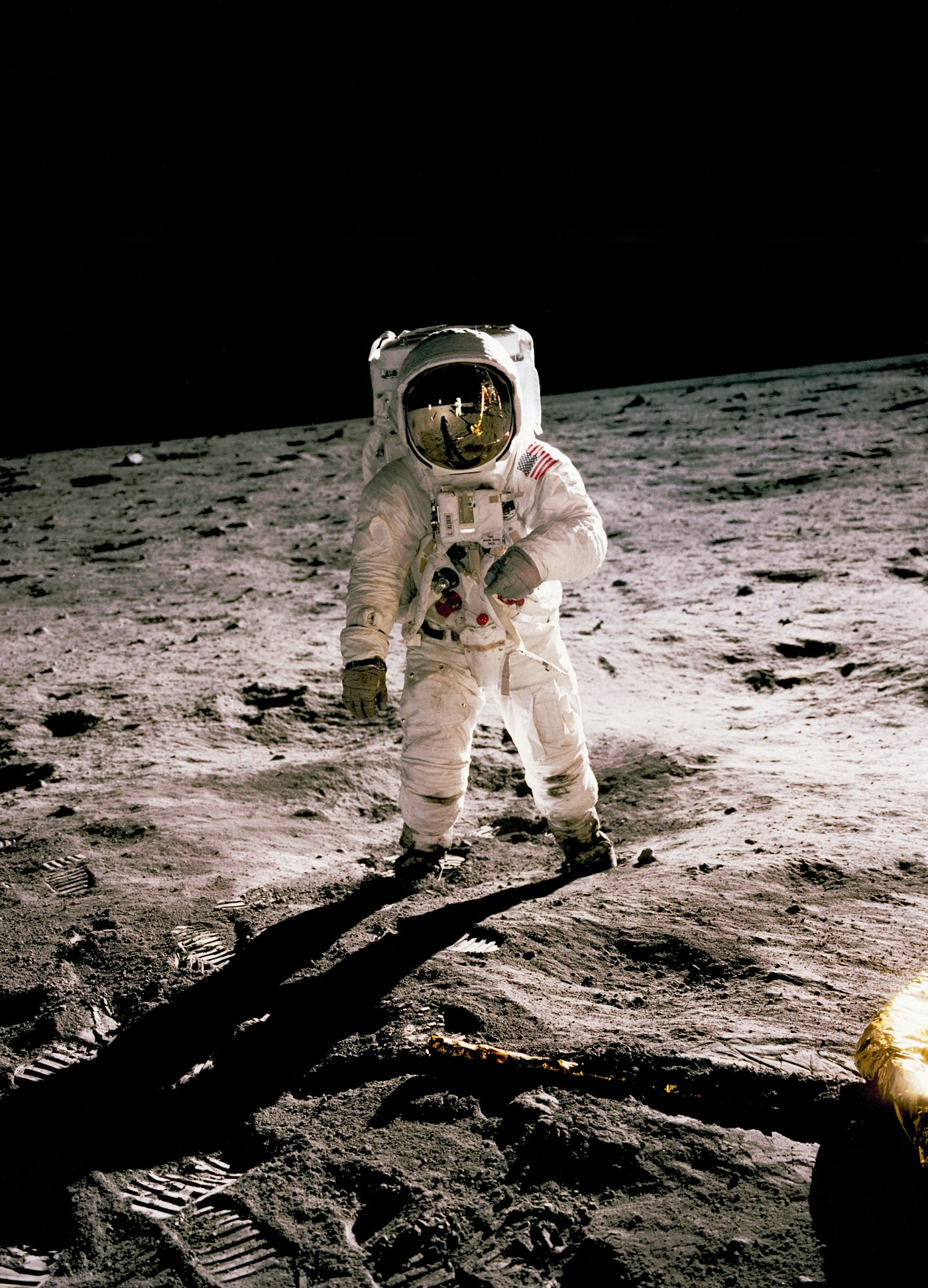
The new space race is geopolitical as much as scientific / Unsplash
What Must Be Done — And What Might Happen Instead
The Strait of Hormuz comparison is ultimately a warning about governance lag. The physical passage existed for millennia before it became strategically critical; when it did, the world was wholly unprepared for the consequences. Cislunar space is different only in that we can see the danger coming.
What is needed is a framework — ideally multilateral, practically bilateral at minimum — that establishes rules of the road for cislunar operations: transparency measures, collision avoidance protocols, resource extraction rights, and crucially, limits on military activities in contested orbital regimes. The Artemis Accords, signed by over 40 nations, represent a start, but they are non-binding and notably absent key signatories including China and Russia.
The more likely trajectory, if history rhymes, is that governance will lag operations. Nations will establish facts on the ground — or facts in orbit — before any framework can codify behaviour. A Chinese base near the lunar south pole. An American fuel depot at L1. Russian rendezvous and proximity operations around high-value assets. And then, one incident — a collision, a deniable interference, a disputed claim — that forces the question everyone has been avoiding.
“If cislunar space falls into the wrong hands, all of NASA’s and Elon Musk’s nascent lunar enterprises — the first steps in a multi-trillion dollar space economy — may have to be written off.”
— Marc Feldman & Brian Taylor, Space Policy Analysts
The stars do not care about our politics. But the trajectories we choose in the next decade will determine whether cislunar space becomes humanity’s greatest collective enterprise — or its most consequential new battleground.
Cislunar space is not a distant abstraction. It is the arena where the economics of the next century, the security architectures of the great powers, and the question of whether humanity expands peacefully or at gunpoint will be decided. The Hormuz analogy may be premature — but it will not remain premature for long. The time to act on it is now, precisely because the crisis it describes has not yet arrived.



Leave a Reply